The Synchronization of Funding Pathways With Code-Triggered Reel Incentives Across Distinct Game Categories in App-Based Environments
Henrik Frank · Nov 18, 2026
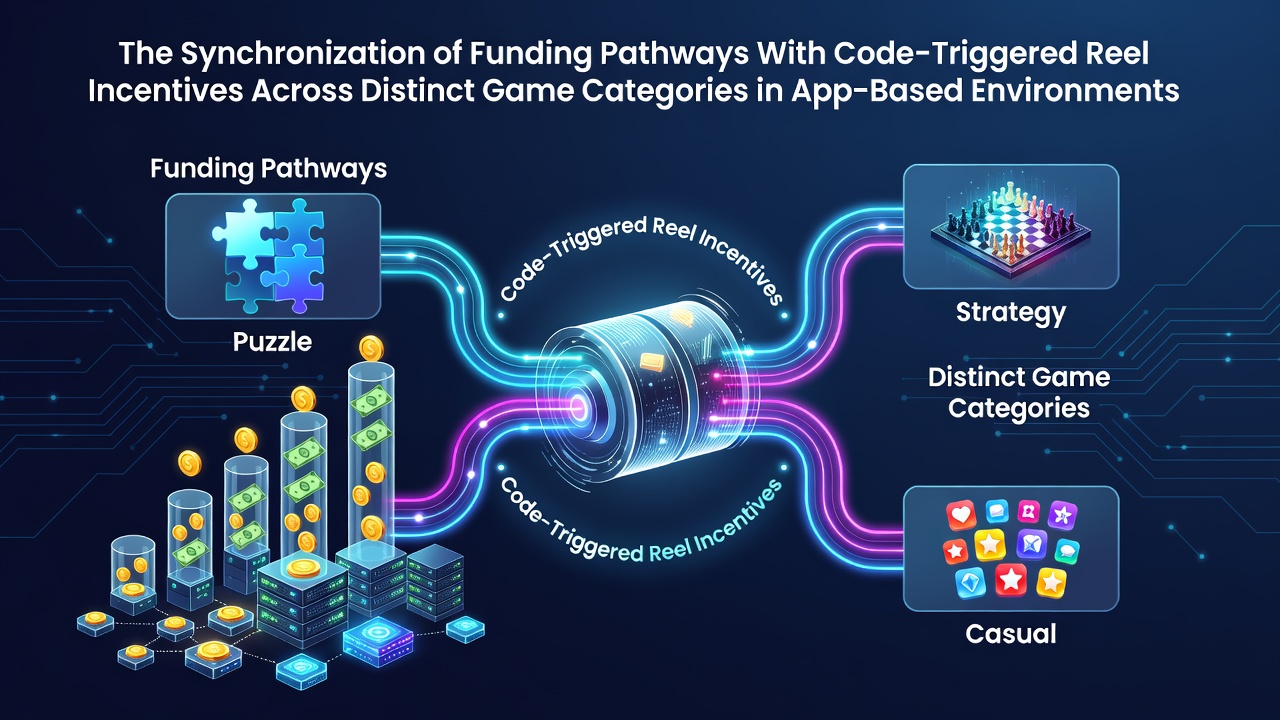
The Synchronization of Funding Pathways With Code-Triggered Reel Incentives Across Distinct Game Categories in App-Based Environments
App-based environments have developed intricate systems where funding pathways align with code-triggered reel incentives, and these alignments vary by game category. Observers note that payment methods such as direct carrier billing, digital wallets, and bank transfers integrate with promotional codes that activate reel features in titles ranging from casual match-three games to competitive strategy apps. Data from industry reports indicate that synchronization occurs through backend protocols that match transaction timestamps with code validation sequences, ensuring incentives activate only after successful funding confirmation.
Core Mechanics of Funding and Incentive Alignment
Funding pathways in mobile applications rely on secure API connections that transmit transaction data to incentive engines, and these engines then release reel credits or spins based on predefined rules. Researchers at academic institutions have documented how distinct categories demand different timing parameters; puzzle games often require immediate code activation post-deposit, whereas role-playing environments allow delayed synchronization to match session progression. According to figures from the Entertainment Software Association, mobile revenue streams reached substantial levels by 2025, with synchronization features contributing to retention metrics across categories.
Code-triggered incentives function through unique identifiers that link directly to funding records, preventing reuse across accounts. Experts have observed that this linkage reduces discrepancies in categories like simulation games, where reel mechanics simulate resource gathering, compared to action titles that emphasize rapid reel sequences. The process involves cryptographic validation that cross-references payment gateways with game servers, and synchronization failures typically trigger automatic retries within a 30-second window.
Variations Across Game Categories
Distinct game categories exhibit measurable differences in how funding synchronizes with reel incentives. Casual gaming apps frequently employ simplified pathways that prioritize speed, allowing code entry immediately after a minimal transaction, while mid-core strategy environments integrate multi-step verifications to accommodate larger funding amounts. Studies from research groups in Australia have shown that these variations correlate with average session lengths, as longer-form games benefit from staggered incentive releases that maintain engagement over extended periods.
One documented pattern involves social casino-style apps, where funding via regional payment processors activates reel incentives only after cross-category eligibility checks complete. In contrast, educational puzzle applications synchronize codes with funding through lighter protocols that emphasize quick validation. Data indicates that November 2026 brought updates to several app store policies, requiring clearer disclosure of these synchronization rules in regions including the European Union and parts of Asia, which prompted developers to refine their backend alignments.
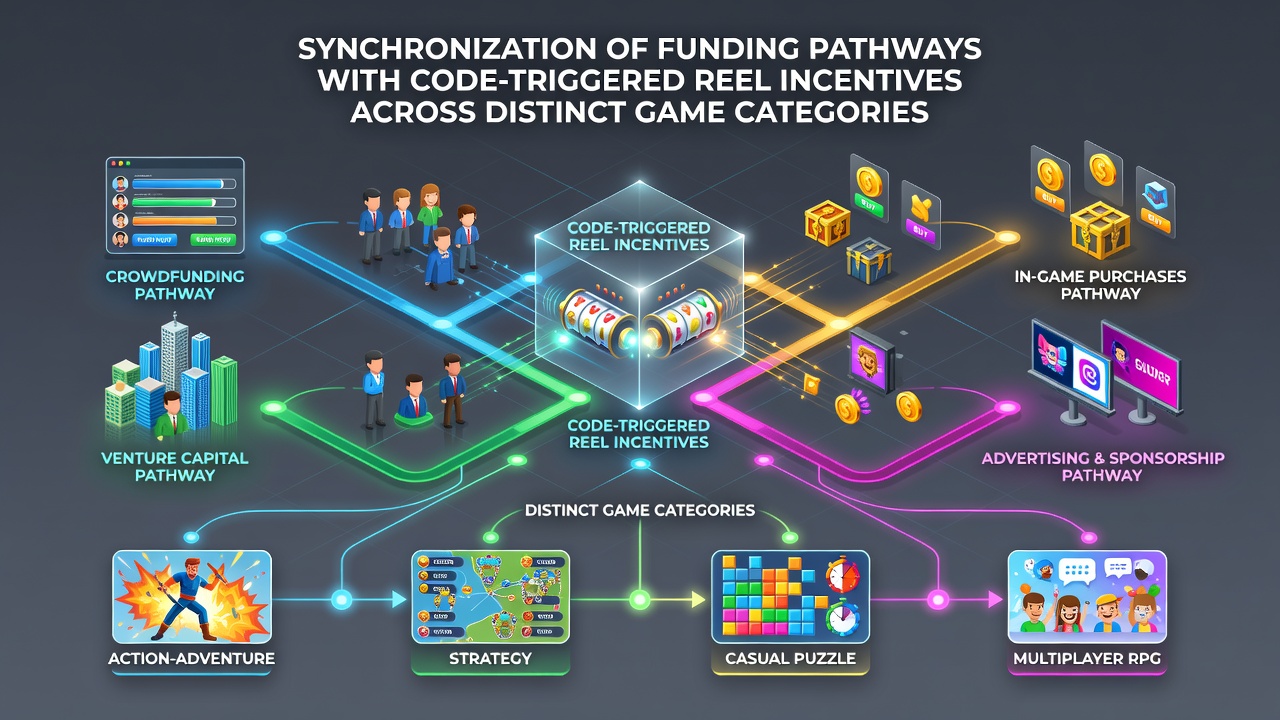
Technical Synchronization Processes
Backend systems achieve synchronization through event-driven architectures that listen for funding confirmations and then trigger incentive code parsers. These parsers evaluate game category metadata to determine reel incentive parameters, such as spin counts or multiplier values. Observers note that cloud-based services handle the bulk of these operations, routing requests through regional servers to comply with local transaction standards.
Security layers incorporate tokenization of funding details, which prevents exposure during code activation. Research indicates that mismatches between funding sources and game categories lead to incentive holds, and resolution typically occurs through automated support workflows. App analytics platforms track these events in real time, providing developers with datasets that reveal category-specific success rates for synchronized incentives.
Regulatory and Platform Influences
Platform providers enforce guidelines that shape synchronization practices, requiring apps to maintain audit trails for funding-to-incentive flows. In November 2026, several app marketplaces introduced enhanced reporting tools that allow developers to monitor compliance across game categories without exposing user data. Government agencies in Canada and the European Union have published frameworks that address data handling in these systems, and developers reference these when designing cross-category compatibility.
Industry organizations such as the Interactive Games and Entertainment Association have compiled reports on how payment timing affects incentive delivery, showing that optimized synchronization improves activation rates by measurable percentages in diverse game types. These reports draw from aggregated data across multiple regions and emphasize the role of standardized protocols in reducing friction.
Future Developments and Implementation Examples
Developers continue to refine synchronization by incorporating machine learning models that predict optimal code release windows based on funding patterns per category. One implementation in a popular simulation app series demonstrates how real-time ledger updates allow incentives to activate within milliseconds of deposit confirmation, tailored to the game's reel progression mechanics. Another example from competitive mobile titles shows batch processing that aligns multiple funding events with sequential reel codes, supporting sustained play sessions.
Academic papers from North American universities have examined these implementations and found correlations between pathway diversity and incentive uptake across categories. The models highlight how certain payment methods integrate more seamlessly with code systems in fast-paced games versus those requiring strategic depth.
Conclusion
Synchronization of funding pathways with code-triggered reel incentives operates through layered technical and procedural frameworks that adapt to the requirements of distinct game categories in app-based environments. Evidence from industry data, regulatory updates effective in November 2026, and platform guidelines demonstrates consistent patterns of alignment that support functionality across varied titles. Continued refinement in these systems reflects ongoing adjustments to payment technologies and category-specific demands, as tracked by research institutions and trade associations worldwide.