Regulatory Shifts in Transaction Protocols and Their Effects on Mobile Slot Reward Access
Lars Vogel · Aug 22, 2026
Regulatory Shifts in Transaction Protocols and Their Effects on Mobile Slot Reward Access
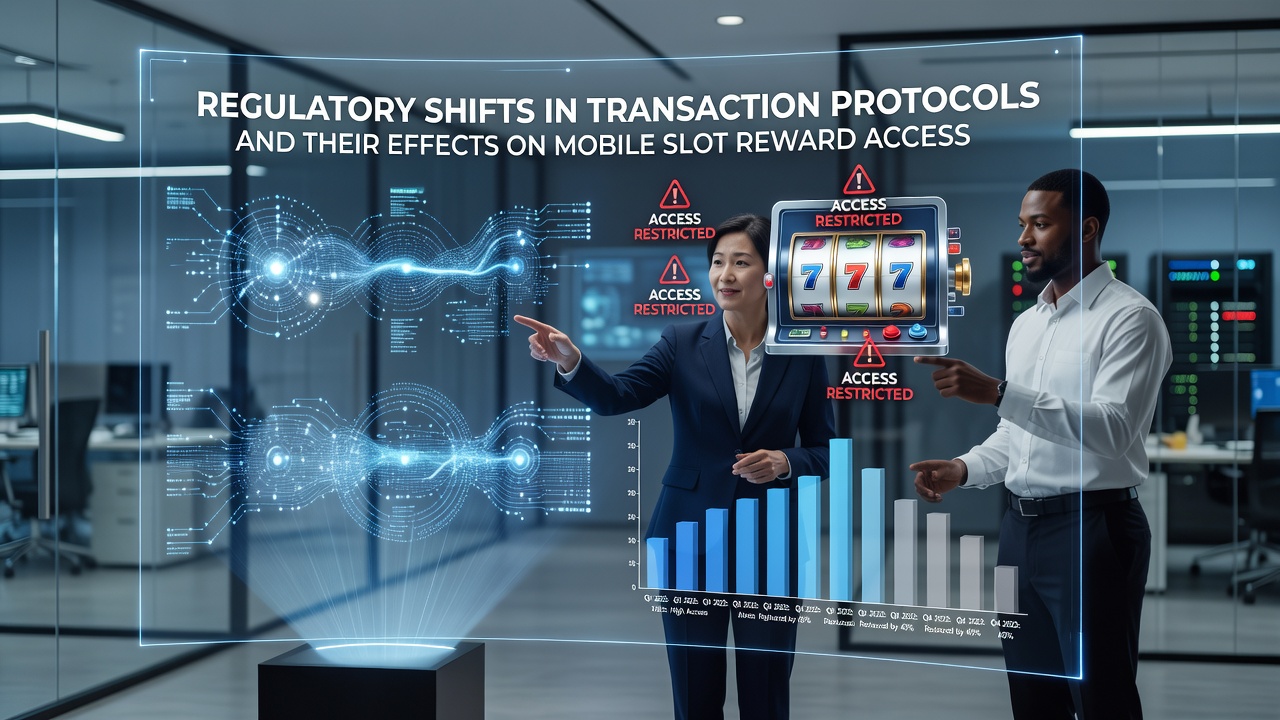
Regulatory bodies across multiple jurisdictions have introduced updates to transaction protocols that govern how funds move between player accounts and mobile slot platforms, and these changes directly influence reward distribution systems. Data from industry reports indicate that verification layers added to payment rails now require additional authentication steps before bonus credits or free spin allocations can reach user devices. Observers note that these protocol adjustments stem from efforts to strengthen anti-money laundering controls and consumer protection measures that apply specifically to mobile gambling environments.
Key Protocol Changes Across Regions
European regulators implemented enhanced real-time monitoring requirements for instant payment systems starting in early 2025, and similar frameworks gained traction in parts of North America and Asia by mid-year. These rules mandate that transaction messages carry expanded metadata fields which platforms must process before releasing mobile slot rewards. Researchers tracking compliance found that processing times for reward credits increased by an average of 12 to 18 seconds per transaction in systems that adopted the new standards.
Australian authorities updated their digital payment guidelines in late 2025, requiring operators to integrate dynamic risk scoring into every mobile deposit and withdrawal sequence. The adjustments affect how loyalty points convert into slot bonuses because the scoring engine now flags certain reward patterns for manual review. Figures released by the Australian Communications and Media Authority show that flagged transactions rose 27 percent during the first quarter after implementation.
Impact on Mobile Reward Delivery
Mobile slot operators adjusted their backend systems to accommodate the new protocol fields, which in turn altered reward access timelines for end users. Players who previously received instant free spins after completing a deposit now encounter a brief holding period while the system completes the expanded verification sequence. Studies conducted by academic groups specializing in financial technology applications in gaming revealed that reward claim rates dropped initially by 8 percent before operators optimized their mobile interfaces.
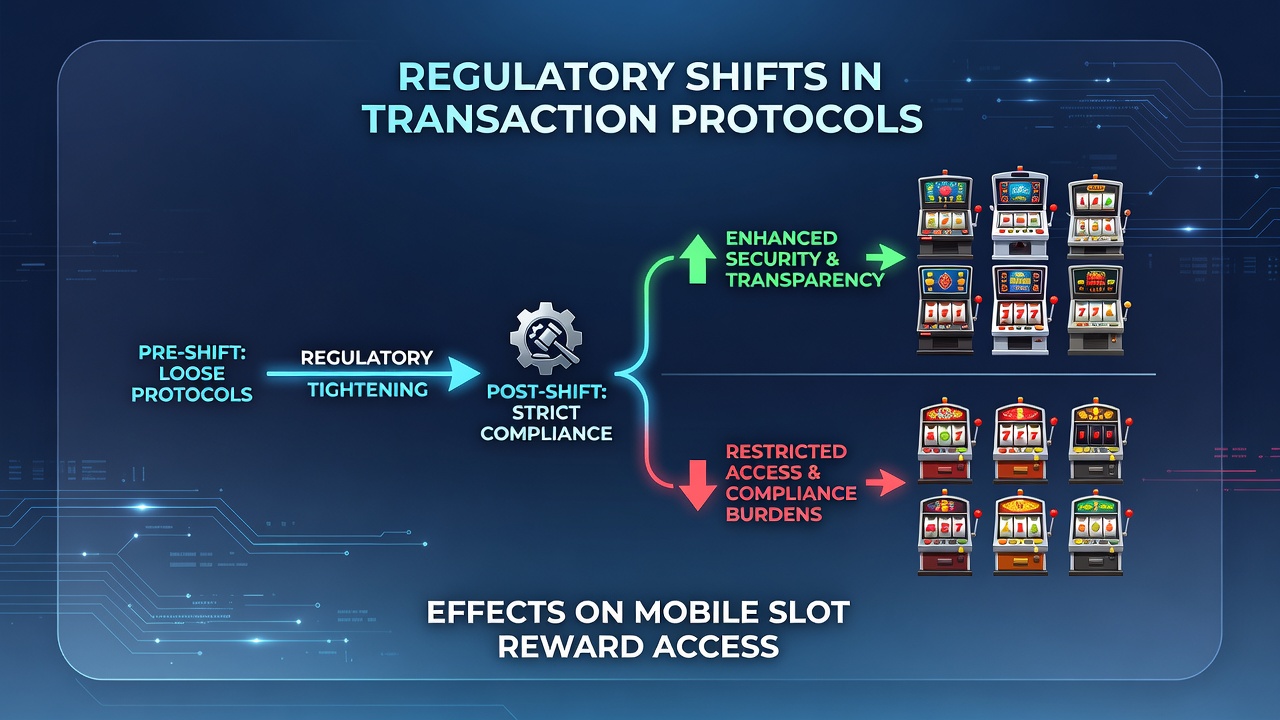
Platform developers responded by embedding automated compliance checks directly into mobile applications, allowing many verifications to complete without redirecting users to external pages. This integration reduced friction for legitimate players while maintaining the required audit trails. Data collected from multiple operators indicate that optimized apps restored reward delivery speeds to within 4 seconds of previous benchmarks for verified accounts.
Technical Adaptations by Operators
Operators adopted tokenized transaction protocols that separate reward allocation from the primary payment rail, and this separation helps platforms meet regulatory demands without delaying bonus credit issuance. The approach uses secure tokens generated at the point of deposit that carry compliance status information directly to the reward engine. Industry organizations such as the European Gaming and Betting Association documented several case studies where tokenization reduced compliance-related delays by up to 65 percent across tested mobile slot titles.
Security updates also extended to the handling of reward wallets within mobile applications. Developers introduced encrypted local storage that syncs with server-side ledgers only after protocol validation completes. Research papers presented at gaming technology conferences in 2026 highlighted that these measures lowered reported incidents of reward manipulation attempts while preserving seamless user experiences on compliant platforms.
August 2026 Implementation Timeline
Additional protocol refinements scheduled for August 2026 will require mobile slot systems to support standardized messaging formats for cross-border reward transfers. Regulatory agencies in Canada and several EU member states have aligned on these formats, which aim to streamline verification when players access rewards from different jurisdictions. Preparation efforts include updating API endpoints and conducting interoperability tests between payment processors and gaming servers throughout the preceding months.
Operators who completed early testing reported that the new formats integrate cleanly with existing mobile reward engines when proper encryption keys are exchanged in advance. Those preparations allow reward access to remain uninterrupted for users who maintain verified accounts across multiple regions.
Conclusion
Regulatory shifts in transaction protocols continue to reshape how mobile slot rewards reach players, with verification requirements and messaging standards driving most operational changes. Platforms that adapted their systems through tokenization and embedded compliance checks maintained reward access efficiency while satisfying updated rules. Ongoing alignment between jurisdictions points toward further standardization by late 2026, and operators track these developments to ensure consistent delivery of mobile slot bonuses across markets.