How Regional Licensing Variations Shape Tiered Reward Structures for Video Reel Fans on Wireless Platforms
Willa Braun · Sep 9, 2026
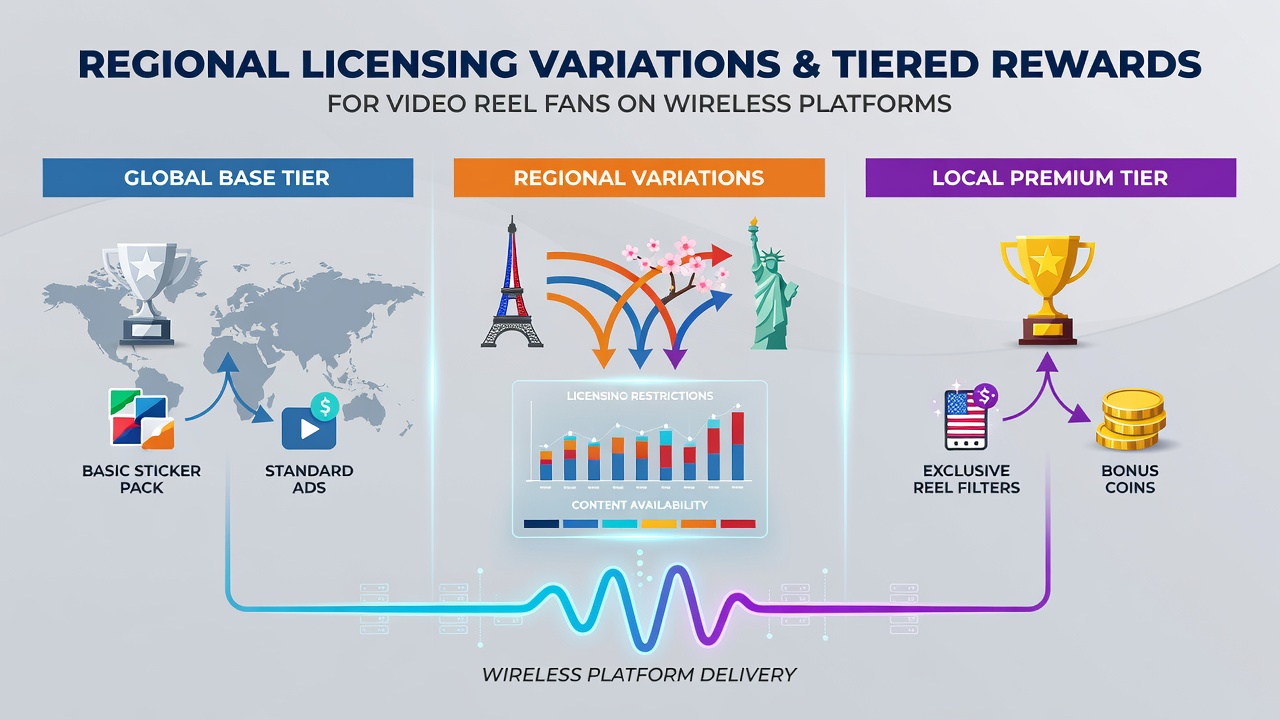
How Regional Licensing Variations Shape Tiered Reward Structures for Video Reel Fans on Wireless Platforms
Regional licensing frameworks determine the structure of tiered rewards available to video reel enthusiasts on wireless platforms, with variations arising from jurisdiction-specific rules on player incentives and operator obligations. Licensing bodies in North America, Europe, and Asia impose distinct requirements that operators must follow when designing mobile reward tiers, which often include progressive loyalty levels tied to play volume and engagement metrics.
Licensing Differences Across Key Markets
Operators active on wireless platforms navigate multiple regulatory environments simultaneously, each dictating how rewards can be structured and delivered. In the United States, state-level agencies such as the New Jersey Division of Gaming Enforcement require specific documentation for any tiered incentive program, which affects how mobile operators allocate rewards across user segments. European jurisdictions apply separate standards through authorities like the Malta Gaming Authority, where rules emphasize transparency in reward calculations and limit certain promotional mechanics that appear in other regions. Asian markets introduce further distinctions, with regulators in Singapore and Japan focusing on player protection thresholds that directly influence the number of tiers permitted and the rate at which users advance between them.
Data from industry reports indicate that these licensing requirements lead to visible differences in reward accessibility. Platforms must adjust tier criteria, such as minimum wager thresholds or time-based progression rules, to comply with local statutes while maintaining consistent user experiences across borders. Research indicates that operators often maintain separate backend systems for each licensed territory to ensure compliance without disrupting service on wireless devices.
Impact on Tier Progression Mechanics
Tiered reward structures on wireless video reel platforms reflect the constraints of each licensing regime through variations in progression speed and benefit distribution. Some jurisdictions cap the frequency of tier upgrades, which forces operators to extend the duration required to reach higher levels or to adjust point accumulation formulas accordingly. Other regions permit faster advancement but impose stricter auditing on the value of rewards granted at each tier. These adjustments appear in mobile applications as region-specific interfaces that display tailored progression paths based on the user's detected location.
Wireless platforms incorporate geo-location technology to enforce these differentiated structures automatically. Users accessing the same application from different licensed areas encounter distinct tier ladders, even though the underlying game mechanics remain similar. Studies from academic research centers have documented how these variations maintain regulatory compliance while preserving engagement across diverse markets.
September 2026 Regulatory Updates
Beginning in September 2026, several jurisdictions plan to implement revised licensing conditions that further refine tiered reward parameters on mobile platforms. Updated guidelines from Canadian provincial regulators, including those in Ontario, introduce new reporting requirements for reward valuation at each tier level, prompting operators to recalibrate their systems ahead of the deadline. Parallel changes in select Australian states emphasize minimum return-to-player percentages that indirectly affect how rewards are layered across user tiers. These coordinated shifts are expected to standardize certain disclosure practices while still allowing regional differences to persist in the overall architecture of reward programs.
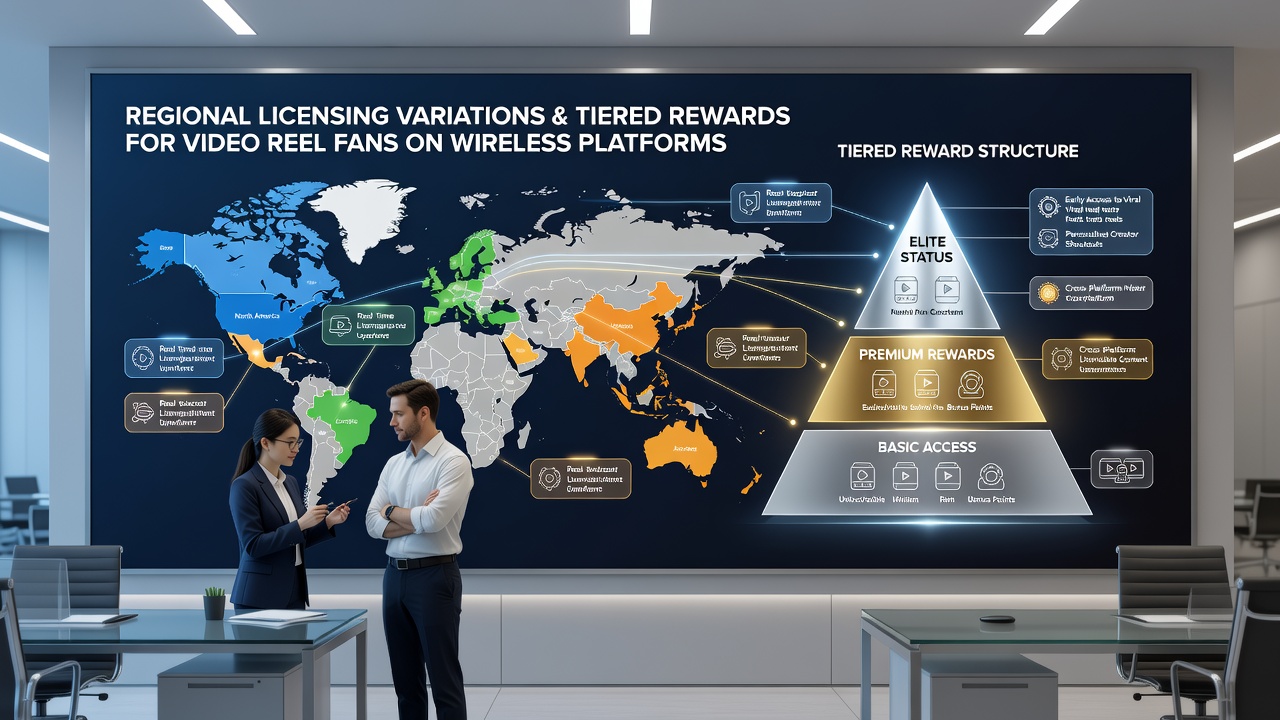
Operator Adaptation Strategies
Platform providers respond to licensing variations by developing modular reward engines that can be configured per territory. These systems allow rapid adjustments to tier thresholds and benefit schedules without requiring separate application builds for each market. Industry analyses show that such flexibility reduces operational overhead while ensuring adherence to local rules on player incentives. Operators also maintain dedicated compliance teams that monitor regulatory announcements and translate new requirements into code changes for wireless applications.
Cross-border users sometimes experience transitions between reward structures when traveling between licensed regions. Platforms automatically apply the rules of the current jurisdiction, which can result in temporary adjustments to visible tier status or available benefits. Data indicates that these transitions occur seamlessly in most cases due to pre-configured logic embedded in the mobile software.
Future Considerations for Wireless Platforms
Observers note that ongoing harmonization efforts among international regulatory bodies may gradually reduce some licensing discrepancies affecting tiered rewards. Initiatives led by organizations such as the International Association of Gaming Regulators aim to establish baseline standards that operators can apply across multiple markets. At the same time, core differences rooted in cultural and legal traditions are likely to remain, preserving distinct regional characteristics in reward design for video reel fans on wireless platforms.
Conclusion
Regional licensing variations continue to define the parameters of tiered reward structures available to video reel enthusiasts on wireless platforms through specific rules on progression, valuation, and delivery. Operators adapt by building flexible systems that accommodate multiple regulatory environments simultaneously, while upcoming changes scheduled for September 2026 introduce additional refinements. These dynamics ensure that reward experiences remain tied to the licensing jurisdiction in which each user participates, creating a landscape where compliance shapes the structure of benefits at every tier level.