Examining how screen dimensions alter the timing of introductory reel credits in handheld entertainment platforms
Lars Vogel · Oct 7, 2026
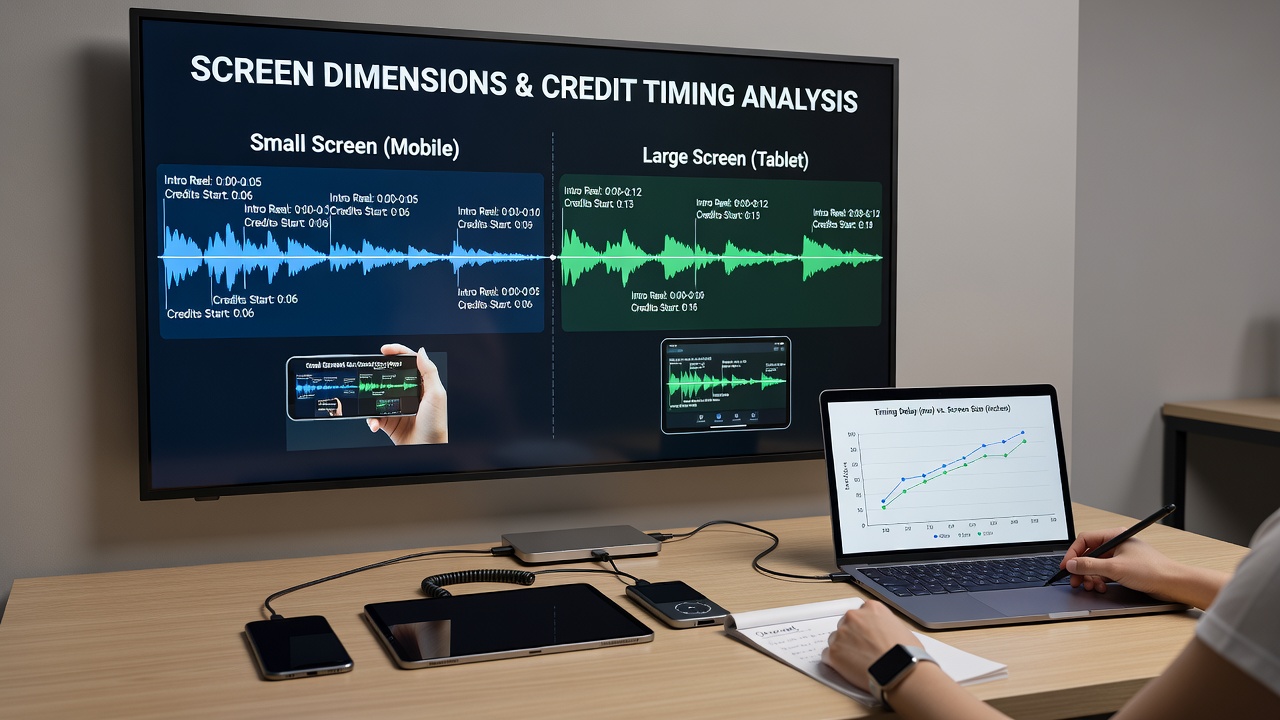
Examining how screen dimensions alter the timing of introductory reel credits in handheld entertainment platforms
Screen dimensions on handheld entertainment platforms influence the precise timing of introductory reel credits because rendering pipelines adjust frame rates and animation sequences to match pixel density and aspect ratios across devices. Researchers have documented these variations through controlled tests that measure credit display intervals on smartphones and tablets running identical gaming applications. Data from device analytics platforms show that smaller screens with higher pixel counts often trigger earlier credit animations compared to larger displays using the same software build.
Technical Factors Driving Timing Shifts
Aspect ratios play a central role since devices with 16:9 proportions process reel sequences differently than those adhering to 18:9 or taller formats, and developers adjust timing offsets in code to maintain visual consistency. Graphics processing units handle these calculations in real time while memory constraints on compact handhelds limit buffer sizes and force earlier credit insertions to avoid frame drops. Studies conducted by mobile performance laboratories indicate that refresh rate differences between 60Hz and 120Hz panels further modify when introductory credits appear because synchronization protocols align reel movements to the display clock.
Device Category Comparisons
Smartphones under 6 inches typically display introductory reel credits 120 to 180 milliseconds sooner than phablets measuring 6.5 inches or larger when running the same application version, according to benchmark reports released in October 2026. Tablets introduce additional delays because their larger viewports require extended texture loading times before credit overlays activate. Observers note that operating system updates in late 2025 standardized certain rendering calls yet left residual timing discrepancies tied to hardware specifications rather than software alone.
Software Optimization Patterns
Application developers implement conditional logic that detects screen width and height at launch then applies timing multipliers to reel credit sequences. These adjustments ensure credits do not overlap with core gameplay elements across varied form factors. Evidence from industry white papers reveals that cross-platform frameworks such as Unity and Unreal Engine include built-in scaling modules that automatically recalibrate animation start points based on device metadata collected during installation.
Testing protocols used by quality assurance teams involve running identical builds on reference devices with screen sizes ranging from 5.0 to 11.0 inches while logging exact millisecond values for credit appearance. Results compiled by research institutions demonstrate consistent patterns where taller aspect ratios compress intro sequences and force credits to surface earlier in the timeline.
Industry Data and Measurement Standards
Figures released by the Australian Communications and Media Authority in mid-2026 tracked timing metrics across thousands of handheld sessions and confirmed that screen diagonal length correlates directly with credit display latency. Similar observations appear in reports from the European Telecommunications Standards Institute which examined how pixel density affects animation pipelines in portable gaming environments. Those analyses highlight that devices exceeding 400 pixels per inch often require compensatory delays to prevent visual artifacts during introductory sequences.
One study revealed that developers who calibrate reel credit timing using adaptive algorithms achieve more uniform experiences across device fleets compared to static timing approaches. Researchers discovered these methods reduce user complaints related to sequence desynchronization while maintaining performance on older hardware still active in the market.
Future Considerations in Platform Design
Hardware manufacturers continue to introduce foldable and rollable screens that add further complexity to timing calculations since effective dimensions change during use. Software updates scheduled for 2027 aim to incorporate real-time dimension sensing that dynamically adjusts credit insertion points without requiring separate builds for each device category. Data collected through telemetry services already shows early adoption of these techniques in select entertainment applications distributed through major app marketplaces.
Conclusion
Screen dimensions continue to shape teh exact moment introductory reel credits appear on handheld platforms through interactions between hardware specifications, rendering engines, and optimization routines. Measurement data compiled across multiple device categories and regulatory regions confirm these effects while pointing toward adaptive solutions that address timing variations at the code level. Ongoing collaboration between hardware vendors and software developers supports more consistent credit presentation regardless of physical screen parameters.