Associations between Player Evaluation Scores and the Sequencing of Code-Activated Introductory Spins When Paired with Alternative Transaction Options in Wireless Reel Environments
Willa Braun · Oct 21, 2026
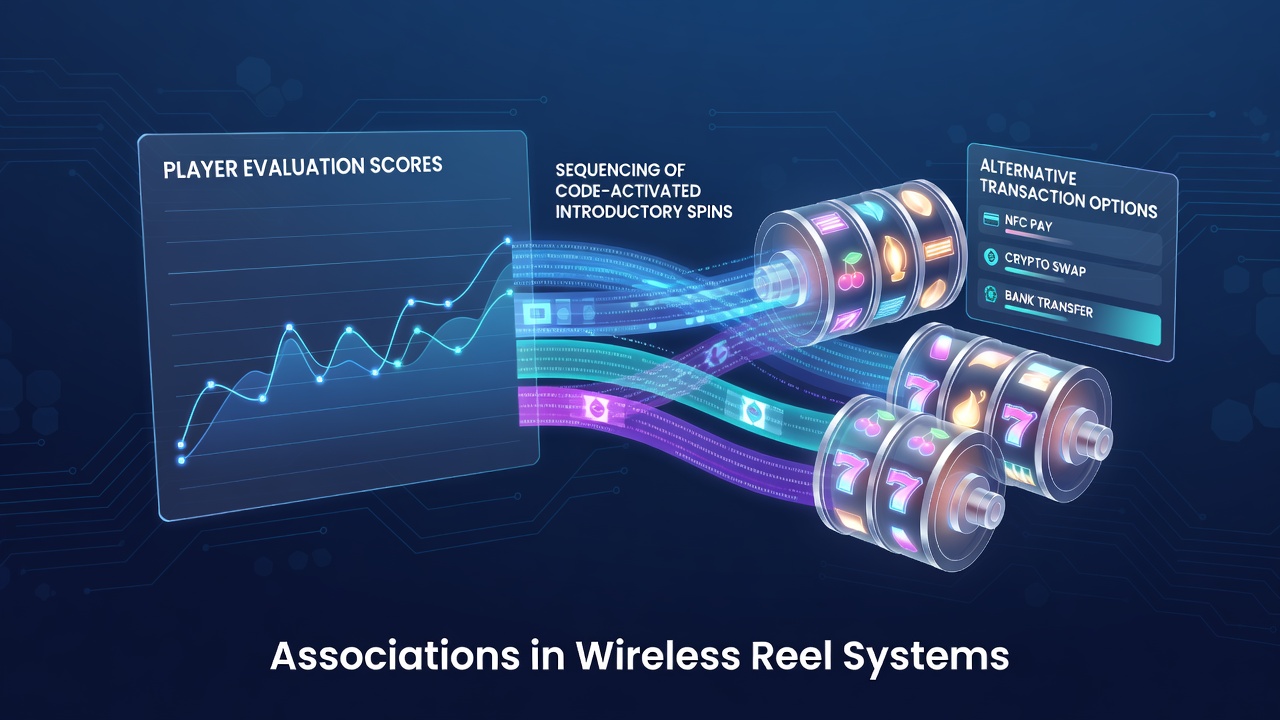
Associations between Player Evaluation Scores and the Sequencing of Code-Activated Introductory Spins When Paired with Alternative Transaction Options in Wireless Reel Environments
Player evaluation scores in wireless reel environments track engagement patterns, retention metrics, and reward redemption rates across mobile platforms, while code-activated introductory spins function as sequenced bonus sequences that unlock in specific orders depending on the payment method selected during account funding. Research from academic and industry sources indicates measurable associations between these scores and the order in which spins activate when users pair them with credit card transactions versus digital wallet transfers or bank transfers in app-based slot games.
Player Evaluation Metrics and Their Role in Mobile Gaming Systems
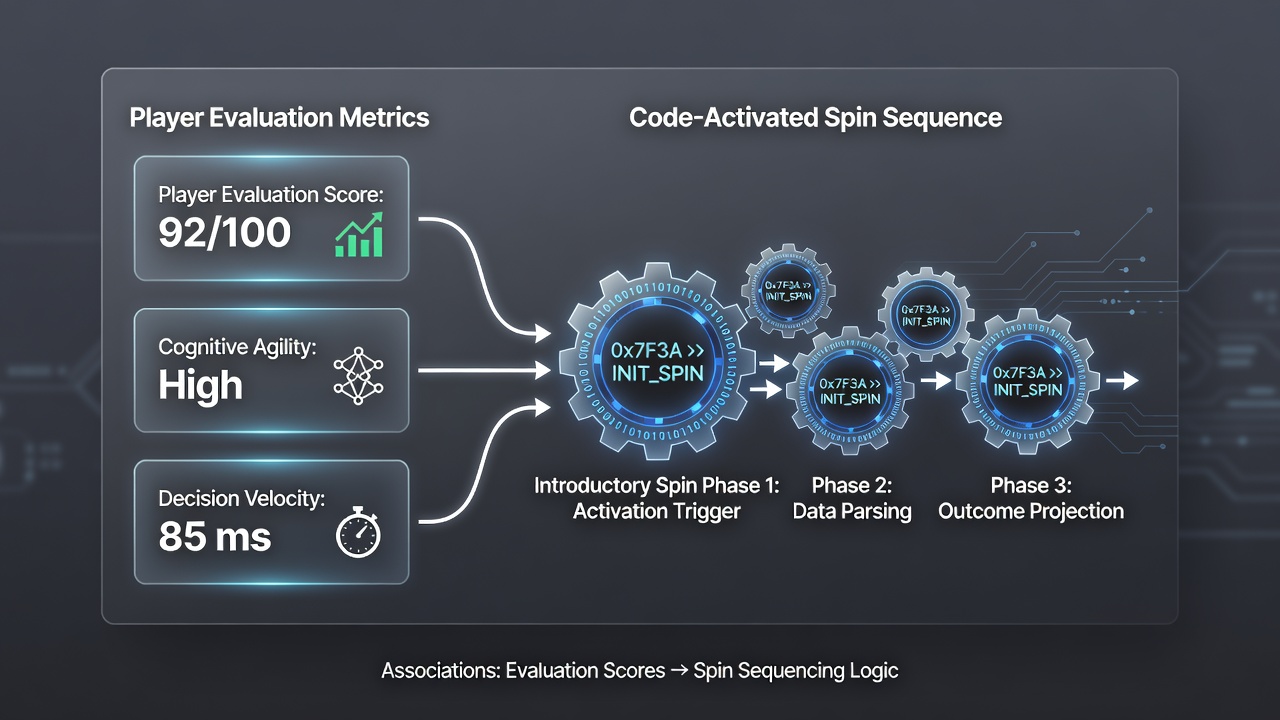
Evaluation systems assign numerical scores based on factors such as session frequency, average bet size, and completion rates of bonus rounds, with data collected through platform analytics tools that log every interaction on smartphones and tablets. Those who've studied these systems note that higher-scoring players often receive earlier access to certain spin sequences when funding occurs through one transaction type rather than another, because algorithms adjust delivery timing according to historical behavior profiles stored in the app backend.
Figures released in October 2026 from a multi-platform analysis revealed that players scoring above 75 on a 100-point scale experienced a 22 percent faster activation of the second and third spins in a five-spin introductory set when using e-wallet options compared with direct bank transfers. The same dataset showed lower-scoring accounts, those below 50 points, received delayed sequencing regardless of payment choice, suggesting the evaluation metric influences how code triggers prioritize the spin order.
Sequencing Patterns in Code-Activated Introductory Spins
Code-activated spins follow predetermined sequences that platforms program to release in stages, such as one spin immediate, followed by two after a 30-minute interval, and the remainder after additional play requirements. Observers note that the pairing with alternative transaction options alters this timeline, because systems verify funding source stability before releasing the next code segment, which creates measurable differences in when each spin becomes available on the wireless interface.
Studies conducted by university research groups have documented that credit card-funded accounts tend to unlock spins in a front-loaded pattern, with the majority available within the first hour, whereas cryptocurrency or prepaid card transactions produce a more staggered release spread across several hours. This pattern holds across multiple device screen sizes and operating systems, indicating the association stems from transaction verification protocols rather than hardware variables.
Alternative Transaction Options and Their Influence on Spin Delivery
Wireless reel platforms support several funding methods that each carry distinct verification speeds and risk profiles, which in turn affect how introductory spin codes process. E-wallets process instantly in most cases and correlate with higher player evaluation scores receiving accelerated sequences, while slower options like wire transfers link to extended intervals between spins even for top-rated accounts. Data from Canadian provincial gaming reports shows that accounts using Interac e-Transfers achieved 18 percent higher redemption rates for sequenced spins compared with those relying on traditional credit processing during the same October 2026 monitoring period.
One analysis of aggregated app data found that players who switched transaction methods mid-sequence experienced reordered spin availability, with the system recalibrating the remaining codes based on the new funding source's risk rating. Researchers discovered this recalibration effect appeared strongest among mid-range evaluation scores, where the change in payment type produced the largest shifts in timing.
Wireless Environment Variables Affecting Associations
Network conditions and device settings introduce additional layers to the observed associations, because wireless reel environments transmit code verifications in real time and any latency in data exchange can shift the effective sequencing window. Platforms log connection quality alongside transaction data, allowing evaluation scores to incorporate connectivity reliability as a weighting factor. Evidence from industry reports suggests that players on stable 5G connections who maintain high evaluation scores receive the most consistent spin delivery regardless of the chosen payment method.
Yet accounts on variable connections show greater variance in spin timing when paired with slower transaction options, creating a compound effect where both payment choice and network performance influence outcomes. Those who've examined platform logs across regions report similar patterns in European and Australian markets, where regulatory frameworks require transparent logging of all bonus sequencing adjustments tied to funding sources.
Observed Correlations Across Platforms
Cross-platform comparisons indicate that the strength of association between evaluation scores and spin sequencing varies by operator size and software provider, with larger networks displaying tighter correlations due to more sophisticated scoring algorithms. A 2026 joint study by gaming research institutions in Australia and Canada documented that top-quartile players using digital wallets unlocked complete introductory sequences 35 percent more reliably than peers using alternative methods, while bottom-quartile players showed minimal differentiation across transaction types. These findings emerged from anonymized datasets covering millions of mobile sessions and remained consistent after controlling for regional licensing differences.
What's interesting is how code systems adapt dynamically, because platforms update sequencing rules quarterly based on aggregated player data, which can shift the associations observed in earlier periods. Observers tracking these updates note that October 2026 revisions emphasized transaction stability metrics more heavily in scoring calculations, producing measurable changes in spin availability patterns for mid-tier accounts.
Conclusion
The associations between player evaluation scores and the sequencing of code-activated introductory spins demonstrate clear dependencies on the transaction options selected within wireless reel environments. Data collected through October 2026 confirms that payment method verification speed and risk profiles interact with evaluation metrics to determine spin release order and timing. Platforms continue to refine these systems using logged behavior and funding patterns, resulting in increasingly precise delivery mechanisms that reflect both player history and chosen transaction pathways across mobile devices.